




Climate-Controlled Storage Saigon: The V-Box Guide
Isabelle unwraps a 1960s Hermès Kelly bag inherited from her Marseille grandmother, sets it on her Thao Dien coffee table, and watches a bead of condensation form on the leather within an hour. Rainy season in Saigon does this to imported goods that lived comfortably in European or Korean apartments. Climate-controlled storage Saigon serves a specific problem: expat collectors, small importers, and pharma professionals hold inventory that a standard Vietnamese apartment slowly ruins between May and October. V-Box operates two facilities in Thu Duc with dedicated climate units, and the range of items they hold runs broader than most first-time renters expect.
What Saigon humidity actually does to sensitive goods
Saigon’s wet season pushes ambient humidity above 80% RH for weeks at a stretch. That number doesn’t sound alarming until you translate it into damage timelines. Unlacquered leather develops surface mold within 10 to 14 days of continuous exposure. Vinyl record edges warp measurably at 32°C, which is what an unairconditioned closet in District 1 reaches on an August afternoon. Cosmetic emulsions separate. Fragrance top notes oxidize into something that smells like old paper.
What happens if you stack everything on the top shelf of a Thao Dien apartment and hope for the best? Slower damage, mostly. Ceiling fans push warm humid air that condenses on cooler surfaces overnight. Cardboard wicks moisture straight into whatever it holds. Silica gel packets exhaust their capacity within a week, then quietly become part of the humidity problem.
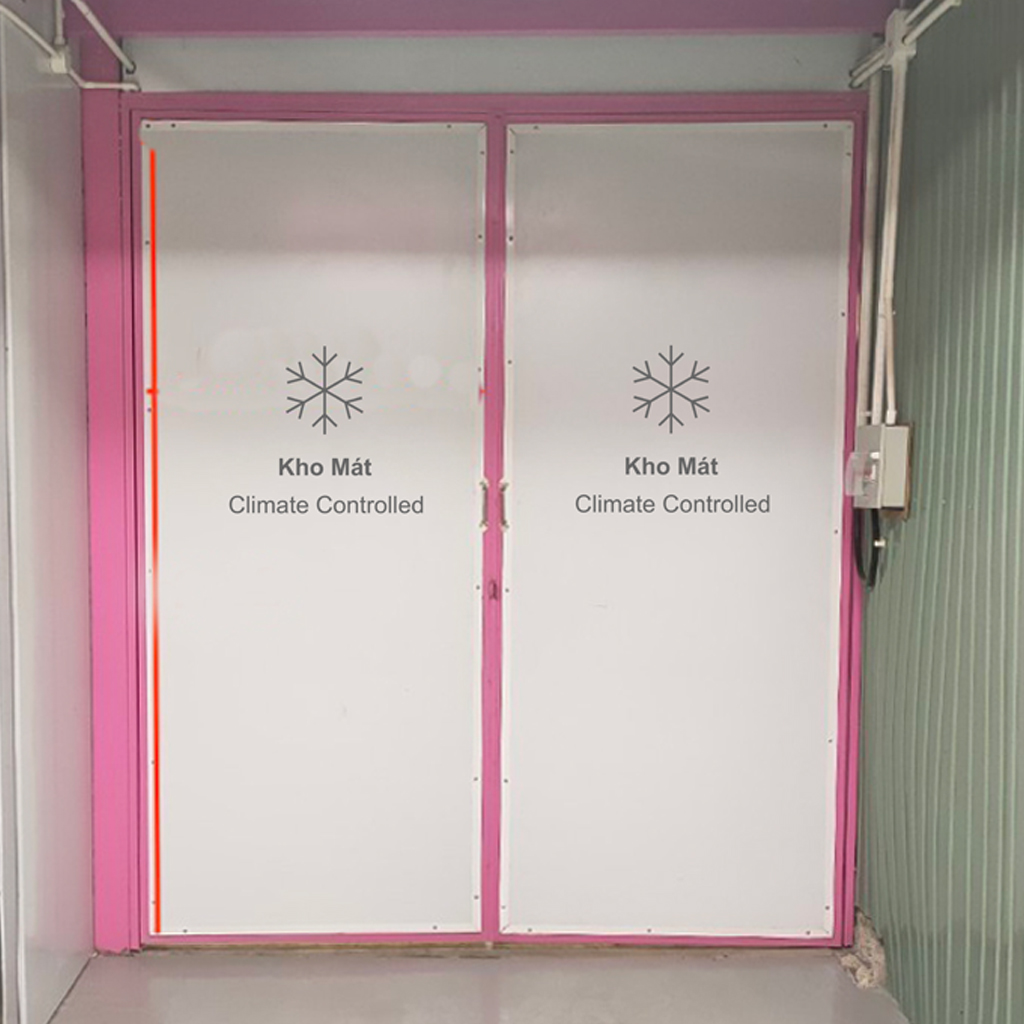
The damage isn’t dramatic on any single day. It’s cumulative, invisible for six weeks, and permanent by month three. That’s the pattern V-Box climate-controlled storage in HCMC exists to interrupt. Climate units hold below 25°C and below 55% RH year-round, verified by an on-site audit from a Japanese beverage distributor who signed a multi-month contract based on the readings. Peer discussions in the InterNations HCMC community echo the same monsoon-damage stories from newcomers surprised by how quickly humidity ages imported goods.
Cosmetics collectors: why 55% RH matters for Korean skincare and European fragrance
Yuna imports Korean skincare in small batches for a District 7 boutique and keeps her personal collection in a spare bedroom that runs 29°C in July. Her first hint that something was wrong came from a batch of essence bottles she’d bought at Olive Young in Seoul the previous autumn. Six months later they’d developed a slight sulfur smell and the ampoule caps had loosened. Heat-sensitive actives had degraded, and packaging seals had swelled enough to break their vacuum.
Fragrance collectors run into worse math. A vintage Guerlain extrait that costs 4 million VND per bottle in Paris will oxidize within eight months in an ambient Saigon apartment. Top notes lose brightness first, then heart notes flatten. Once a fragrance has “turned,” there’s no reversing it. Climate control at 22 to 25°C with humidity below 55% is the middle path most serious collectors settle on.
Yuna moved her inventory to a V-Box climate-controlled unit at Phuoc Long last October and now cycles through 4.5 m² as a working micro-warehouse. The rent is cheaper than a single ruined batch of Sulwhasoo essence. Honestly, most cosmetics importers overthink storage until they lose one shipment. After that it becomes a fixed line item.
Art and photography preservation in a monsoon climate
Marcus, a British art buyer who splits time between Bangkok and Saigon, keeps a rotating collection of Southeast Asian contemporary paintings, framed photographs, and archival prints. Paper is his obsession. Rainy season is his enemy.
Ever tried storing framed artwork in a Vietnamese apartment for more than a year? Foxing spots appear on the paper margins first, brown speckles that look like water damage but are microscopic fungal colonies feeding on trace iron in the fibers. Canvas paintings get worse. Humidity soaks into stretched cotton, then loosens as the atmosphere dries, and the tension shift cracks paint layers over dozens of cycles. Photographic prints on fiber-based paper curl within weeks.
Museums solve this by holding a stable 20 to 22°C at 45 to 50% RH. Consumer-grade climate storage can’t match museum tolerances, but keeping paintings and photographs at V-Box’s under 25°C and under 55% RH stops the destructive daily humidity swing that does most of the damage. Marcus rents a 6.5 m² climate unit at V-Box Cat Lai and rotates his collection through it as new pieces arrive from auction. His rule of thumb: if a piece is worth more than 20 million VND framed, it goes into climate storage between exhibitions. Guidance from Self Storage Association Asia member facilities emphasizes stable humidity control as the baseline for archival categories, and V-Box holds SSAA membership within that framework.
Vinyl records, leather furniture, and musical instruments
Some categories don’t get discussed at expat dinners the way wine and art do, but they’re where climate storage earns its reputation quietly.
Vinyl records warp above 32°C, and Saigon closets hit that ceiling in the afternoon. A collector with 300 first-pressing jazz LPs has more money at risk than someone with a small wine cellar, and none of it is insured through baseline home policies. Leather furniture behaves worse. Full-grain Italian sofas develop white mold blooms in weeks once monsoon humidity settles in. The mold wipes off, but the leather’s oil balance is permanently compromised.
Musical instruments are the third quiet category. Wood-body acoustic guitars crack along seam lines when humidity swings between 60% and 85% RH across a monsoon week. Grand piano soundboards develop hairline splits invisible from the outside until a tuner points them out. A single well-preserved Martin D-28 or Steinway is worth many years of climate storage rent. Wine collectors can find dedicated coverage in the shared climate storage guide, which goes deeper on cellar-style specifications.
Want to sanity-check sizing before visiting? Browse the available climate-controlled unit sizes at both facilities before deciding whether one instrument or an entire collection needs its own room.
Pharmaceutical samples and controlled-room-temperature materials
Dr. Patel, a Mumbai-based pharmaceutical researcher on a two-year assignment, needed a solution for his working sample library. Cold-chain vaccines and biologics require dedicated refrigeration outside V-Box’s scope, but the middle tier of pharma materials sits within controlled-room-temperature parameters that align with V-Box’s 25°C ceiling. That includes API reference standards under stability testing, printed clinical documentation, and non-cold-chain investigational samples.
WHO stability testing zones classify tropical countries as Zone IVb, which assumes 30°C and 75% RH in the baseline envelope. A V-Box climate unit sits well inside that envelope. That doesn’t turn V-Box into a GxP-certified pharmaceutical warehouse. It isn’t one. For a researcher storing personal reference samples, printed protocols, and non-cold-chain packaged materials during an assignment, the specs work.
Dr. Patel keeps his contract paperwork and inventory logs alongside his sample library in a dedicated 4.5 m² climate unit. VAT invoices from V-Box double as documentation that materials stayed in a controlled environment, which simplifies compliance conversations at end-of-rotation handover.
V-Box climate specifications deep-dive
What are V-Box’s actual climate parameters? Below 25°C. Below 55% RH. Backup air-conditioning kicks in within 12 to 24 hours if the primary compressor fails. Those numbers are consistent across both facilities and apply uniformly regardless of unit size.
The verification history matters as much as the numbers themselves. A Japanese beverage distributor audited climate units at Cat Lai with independent instruments before committing to a three-month contract, and the readings held during the wettest weeks of monsoon. Anyone can hold 25°C in December. Holding it at 3 p.m. on an August Tuesday when outdoor humidity is 88% is what separates a real climate facility from a lightly conditioned warehouse.
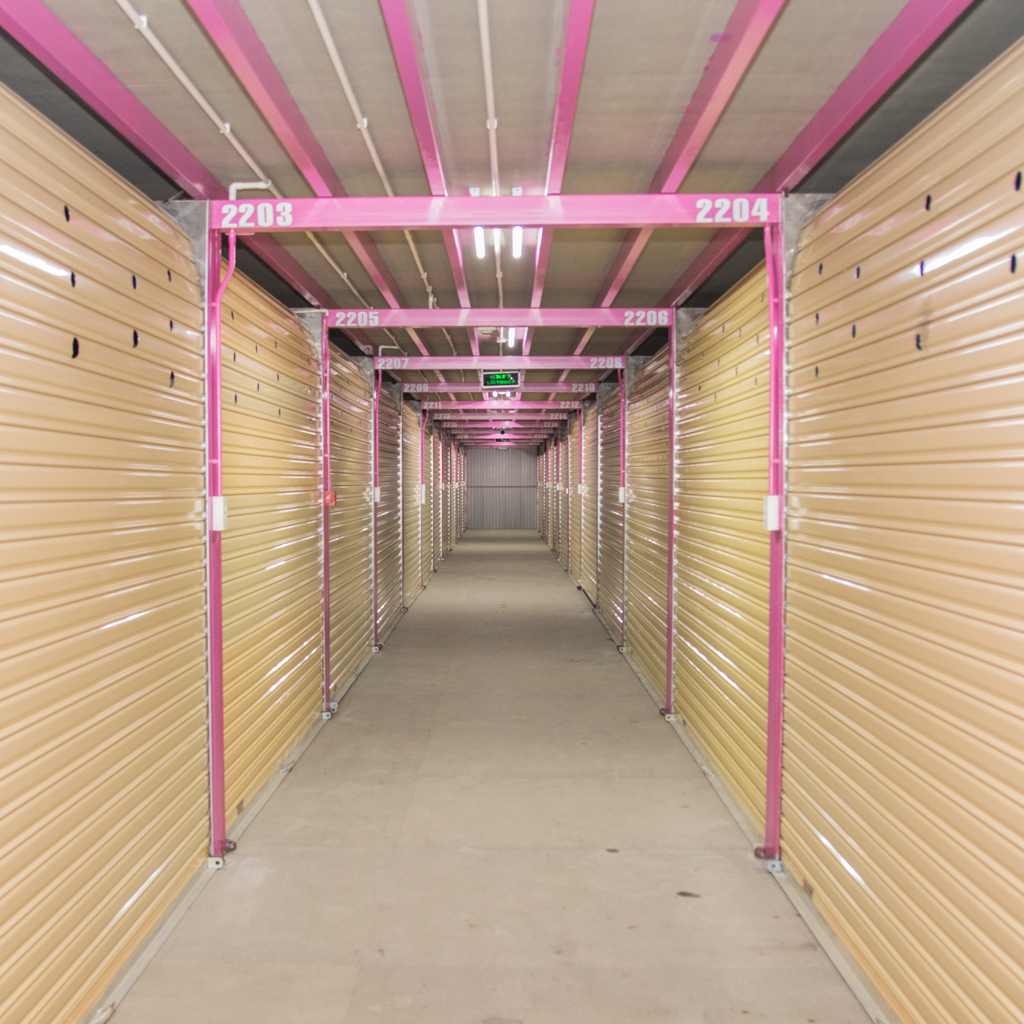
Security specs mirror V-Box’s standard units. Ngày & Đêm, a professional Vietnamese security firm, patrols both sites with four guards per site across two shifts. Camera coverage totals 59 units across the two facilities, 27 at Cat Lai and 32 at Phuoc Long, spanning every corridor, gate, and reception area. Cat Lai retains 44 days of footage, Phuoc Long retains 19 days, and either site exports clips within 15 days of a reported incident. Fire suppression uses active systems with over 20 CO2 and dry-powder extinguishers per site.
Unit sizing for climate-only clients
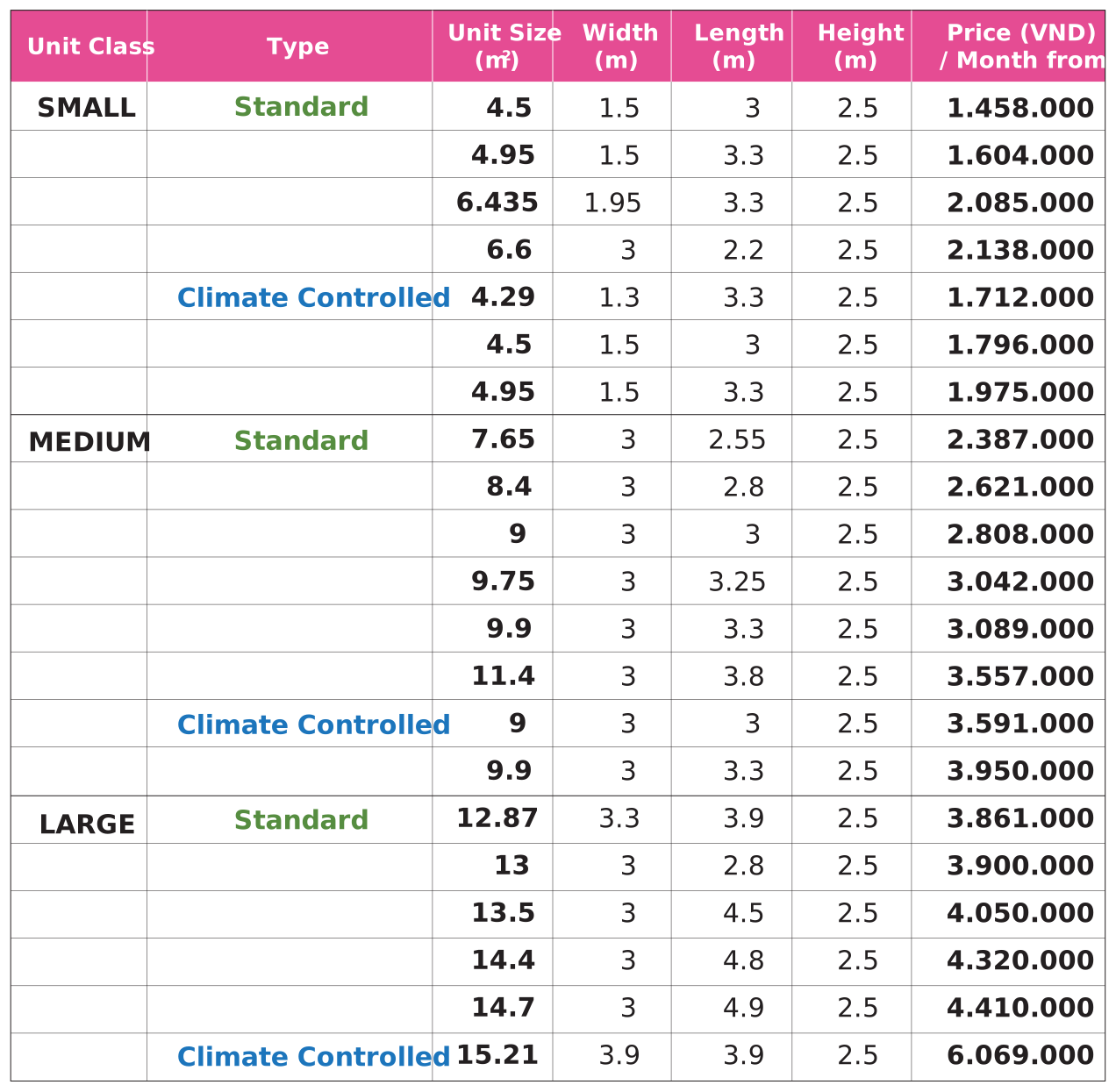
Climate-controlled storage at V-Box is quoted by unit size, VAT included. That rate applies uniformly across sizes, which is unusual for the local storage market and makes budgeting straightforward.
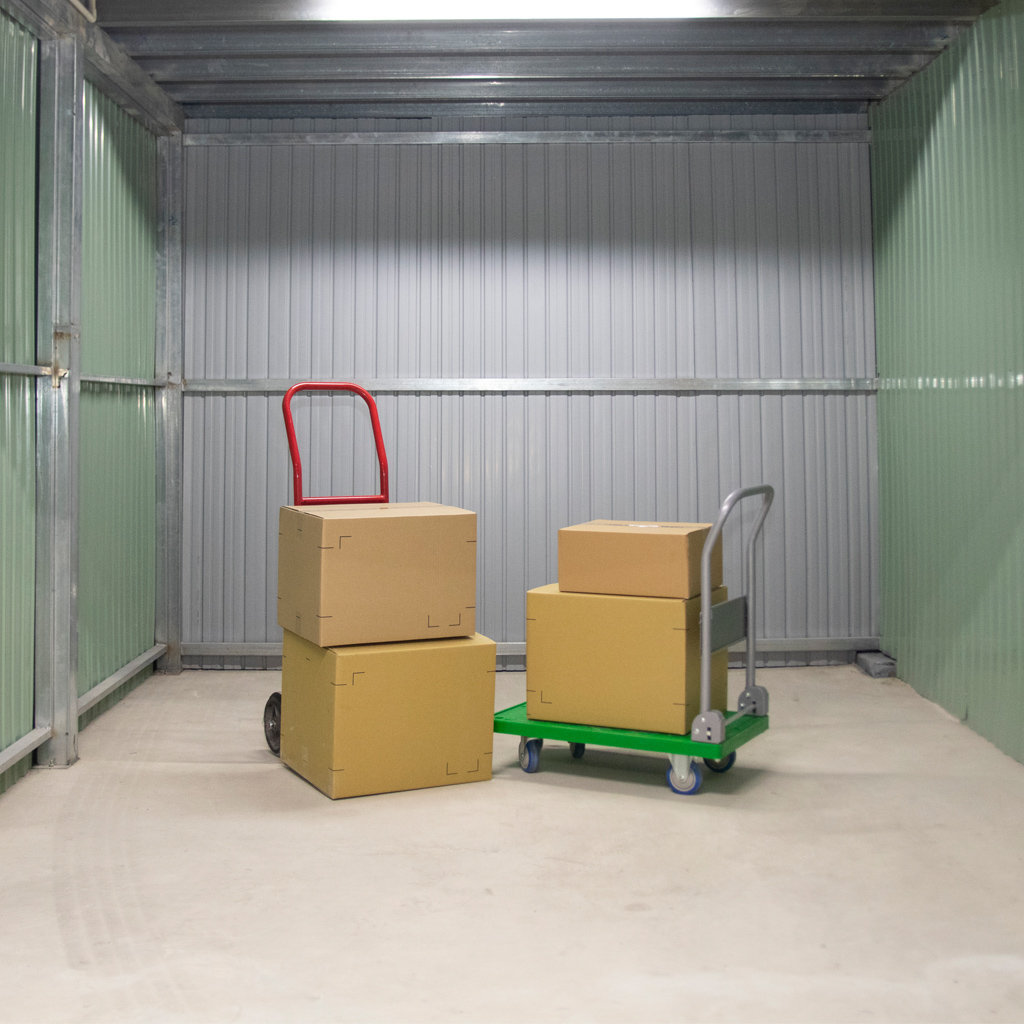
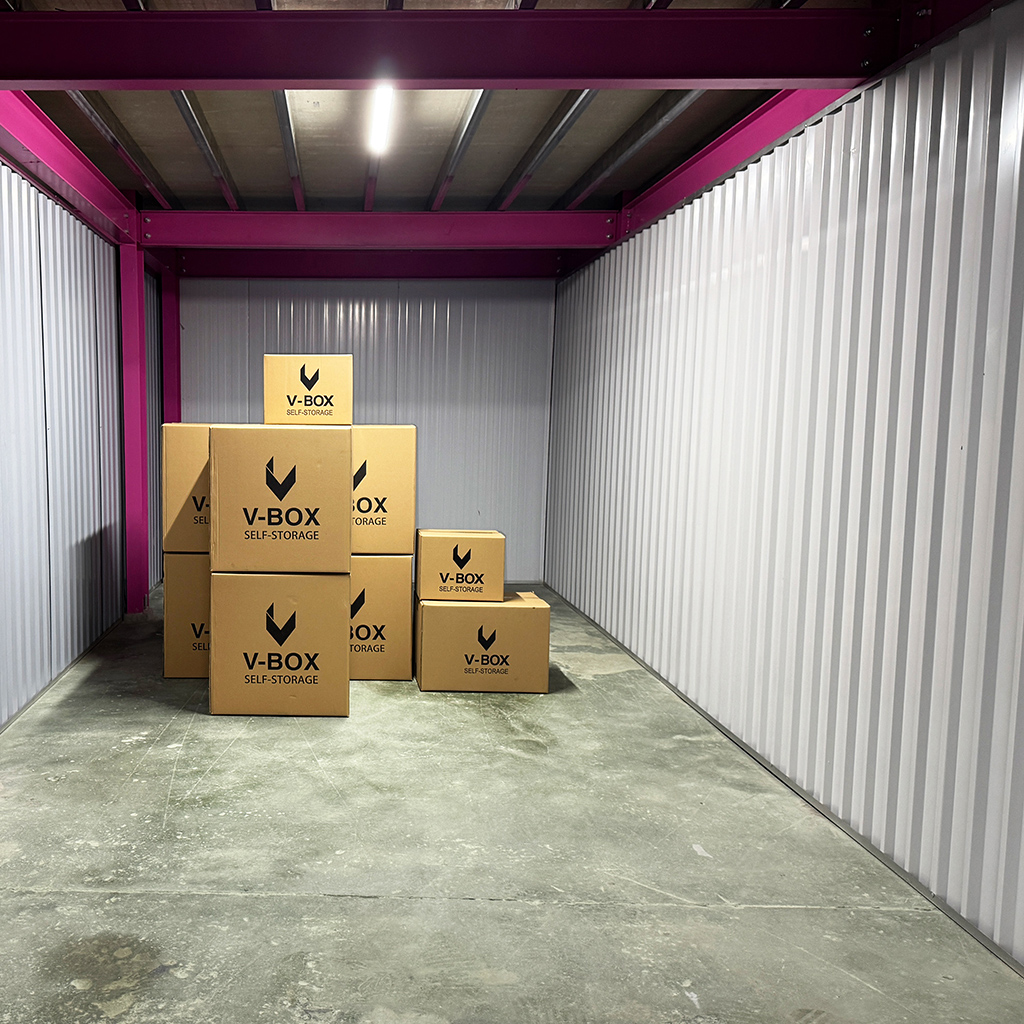
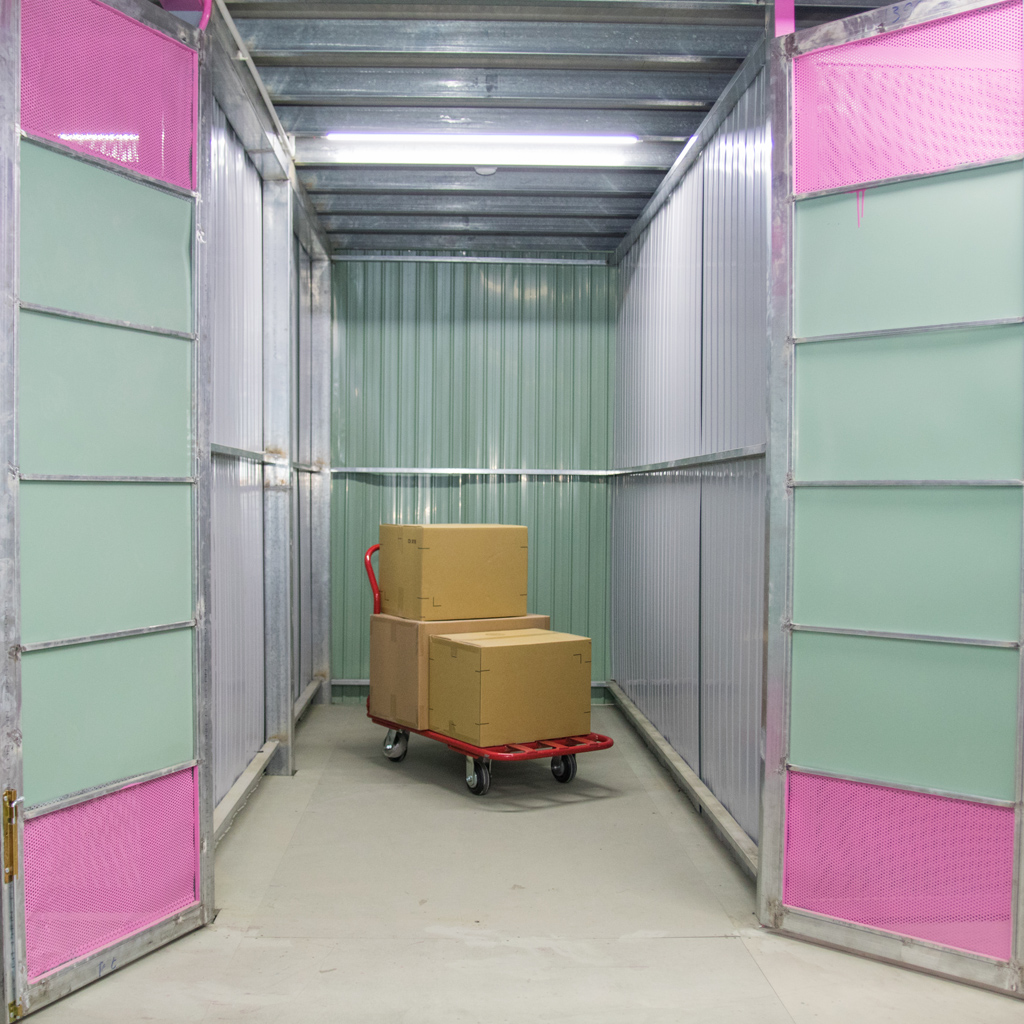
Entry-level climate-controlled units are 4.5 m²; contact V-Box for a quote. That’s the size Yuna uses for her Korean skincare inventory and matches what a serious fragrance collector or single-instrument owner needs. Mid-size clients typically land at 9 m², which comfortably holds 30 to 40 framed art pieces or a full setup of vinyl and audio equipment. Cosmetics importers running boutique wholesale operations often start at 4.5 m² and upgrade within six months. Fair enough for most trajectories.
There’s no bundled climate surcharge on top of standard rent, no “special introductory rate” that changes after month three, and no compulsory long-term contract. Contracts run month-to-month, deposit equals one month of rent, and cancellation just needs notice before the next payment date, with no exit penalty. Request a quote at the V-Box quote page. Payment by bank transfer, card, or cash, VAT invoices issued.
One caveat worth flagging. Offers vary from time to time and by rental type; contact our sales team for details. Most collectors prefer the pay-as-you-go structure anyway.
Frequently asked questions from climate-storage renters
Are climate-controlled units secure enough for high-value collections?
Yes. Climate units carry the same security profile as standard storage: 24/7 patrol by Ngày & Đêm, camera coverage across all corridors, and keypad access that only you control. Cat Lai runs 27 cameras with 44 days retention, Phuoc Long runs 32 cameras with 19 days retention, and either site meets a 15-day export SLA on incident reports. V-Box baseline insurance covers fire and site liability. For declared values above 50 million VND, MSIG supplementary coverage is recommended, particularly for art, vintage handbags, or musical instruments where retail replacement value gets calculated differently from home-contents insurance.
Can I cancel my climate-storage contract if my collection ships overseas?
Contracts run month-to-month; give notice before the next payment date and there is no exit penalty. That flexibility works for expat collectors who might ship pieces back to Europe or Asia at auction time, or relocate for a new posting. There’s no long-term lock-in and offers vary from time to time and by rental type. Downgrading or upgrading unit size mid-contract is possible whenever your inventory changes. Consumer contracts stay flexible by default.
Does V-Box offer refrigeration below 15°C for cold-chain items?
No. V-Box climate units hold below 25°C, which is controlled room temperature rather than refrigeration or cold storage. Items requiring 2 to 8°C for cold-chain compliance, frozen goods, or cryogenic conditions sit outside V-Box’s scope. That includes vaccines, most biologics, perishable food, and specialty items like film stock or dental composites. If cold storage is what you actually need, V-Box reception can point you toward Saigon logistics providers specialising in temperature-controlled cold chain, though the referral isn’t a formal partnership.
What temperature and humidity should I actually expect year-round?
Climate units hold below 25°C and below 55% RH continuously, verified by third-party audit including a Japanese beverage distributor’s independent-instrument check during monsoon season. Backup air-conditioning kicks in within 12 to 24 hours if the primary compressor needs maintenance, so units don’t drift into ambient conditions. The 55% RH ceiling is the specification that matters most for leather, paper, and cosmetics, since most humidity-driven damage in Saigon happens above 60% RH sustained over weeks.
Do V-Box staff speak English and can I contact support from abroad?
Reception at both facilities has English-speaking staff during office hours, 8h30 to 17h30 Monday to Friday; unit access runs 6h to 22h daily. Call our central hotline: 0862262848. From overseas, you can also message us on Zalo or WhatsApp at 0862264669. Email routes through the V-Box contact form and typically responds within one business day. DocuSign is available for expats signing remotely from abroad, though physical signature is preferred for the deposit stage.
Choosing climate-controlled storage in Saigon
Yuna cycles a fresh batch of essence bottles through her Phuoc Long unit every eight weeks, and her District 7 buyers have stopped asking whether the packaging looks tired. Marcus rotated three auction acquisitions into Cat Lai last month. Dr. Patel’s sample library is intact three months into his assignment. Isabelle’s Hermès Kelly bag sits in a 4.5 m² climate unit alongside two vintage pieces from her grandmother’s collection, and the beading of condensation on the leather is a memory rather than a running problem.
Climate-controlled storage in Saigon isn’t glamorous work. It’s the buffer that lets collectors keep collecting, importers keep importing, and researchers keep working through a wet season that doesn’t cooperate with any of them. If your inventory includes anything vulnerable to humidity, walk through the specs at V-Box or call our central hotline: 0862262848. Twenty minutes at either facility tells you more than any brochure can.