




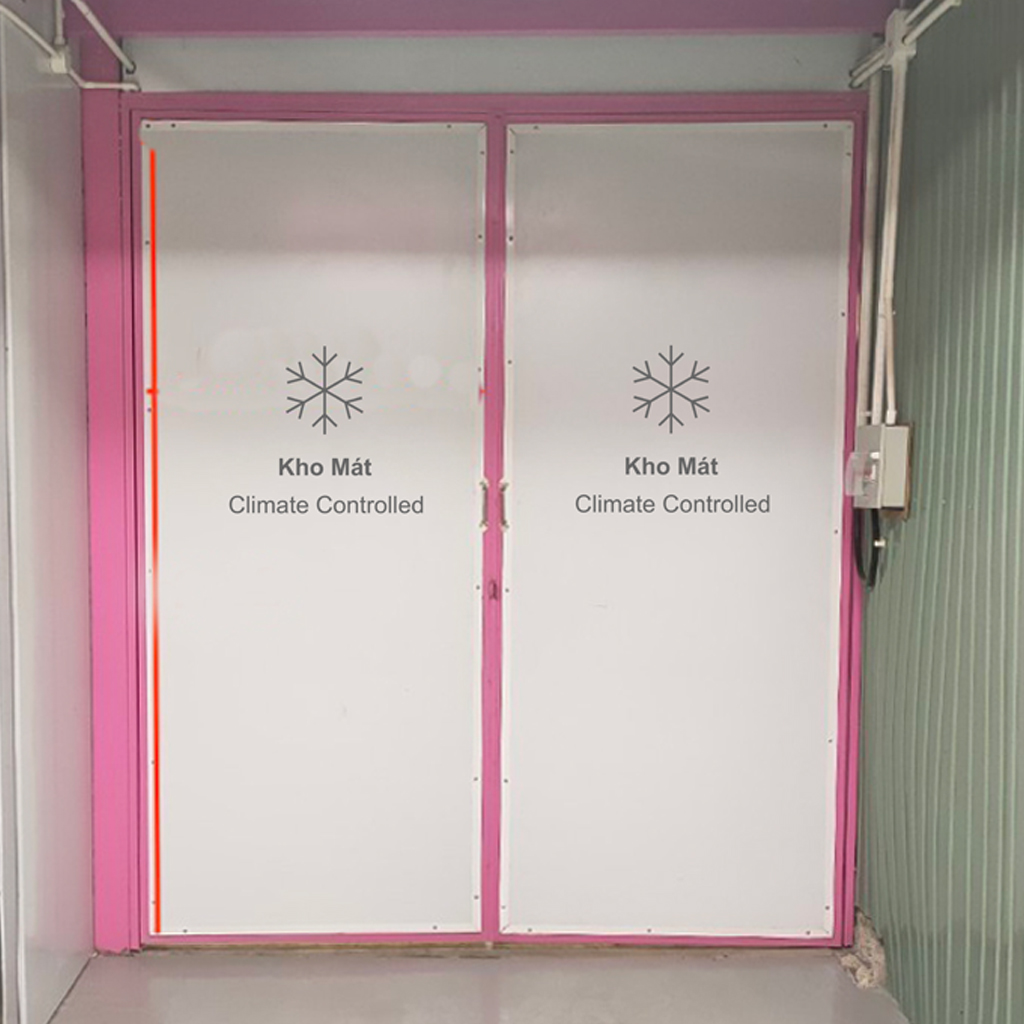
Wine Storage Ho Chi Minh City: The V-Box Climate Guide
Your Thao Dien apartment reads 29°C at 3 p.m. even with the air conditioning humming. The case of Barolo you carried back from Turin has been sitting in a closet for six months, and the last bottle you opened tasted a shade tired. Wine storage Ho Chi Minh City looks like a simple search until you realize the industry mostly serves large importers and hotel groups, not private collectors, small-venue sommeliers, or expat drinkers with a fifty-bottle cellar. V-Box runs climate-controlled units at Cat Lai and Phuoc Long that hold below 25°C and 55% RH year-round, verified by a Japanese beverage distributor audit.
Why Saigon apartments fail wine storage temperatures
Saigon’s ambient temperature is where wine collections quietly die. Between March and October, daytime highs sit above 33°C, and even well-conditioned apartments in Thao Dien or District 1 rarely hold below 27°C in rooms without direct AC. That closet where you stashed your Chianti reads 30°C on a July afternoon.
Wine reacts to heat the way milk reacts to sunlight. Above 22°C, oxidation accelerates measurably. Above 25°C, tannin structures start collapsing within months. Above 30°C, you’re not aging wine anymore. You’re cooking it slowly.
Antoine, a French sommelier who consults for a District 1 restaurant group, learned this the expensive way. He stored a case of Vosne-Romanée in his Phu My Hung apartment during his first year in Saigon. Twelve bottles in, he opened the first sample. Muted fruit, prematurely tertiary, the kind of degradation you associate with wines twenty years past their peak. His bottles were five years old.
“The apartment felt cool,” he told me later. “It wasn’t.”
The math punishes you either way. A fifty-bottle wine fridge costs 25 to 40 million VND up front and dumps heat into the room it lives in. A dedicated cellar isn’t feasible in most rentals. That’s where a proper climate-controlled storage unit starts making sense.
What V-Box climate specs mean for wine
Ever wondered why European cellars target 12°C to 14°C when V-Box holds below 25°C? Different problems, different tolerances. A Burgundy cellar built for thirty-year aging demands the lower end. A working stock you’ll drink within two to three years survives comfortably at 20°C to 22°C, which is closer to what V-Box actually delivers.
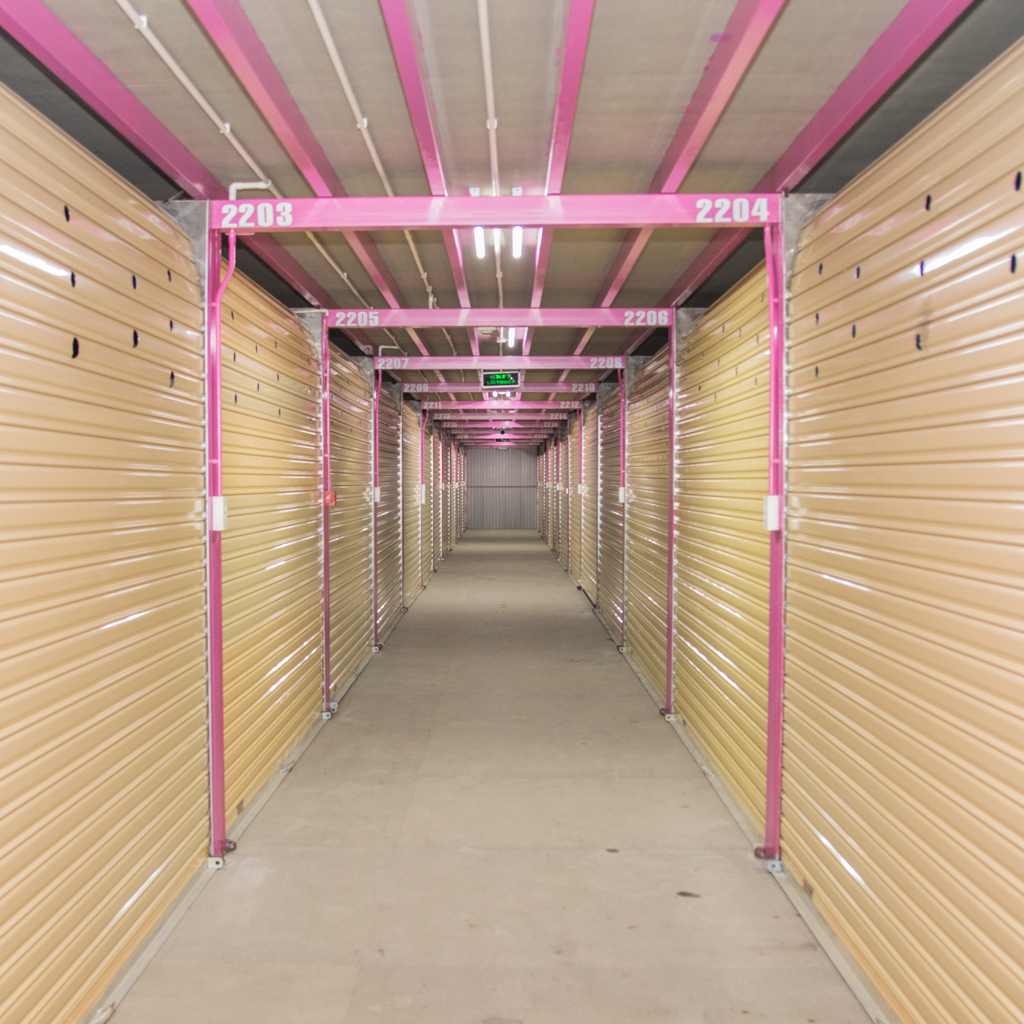
V-Box climate units are specified at below 25°C and 55% RH, 24 hours a day, every day of the year. Internal logs typically show 22°C during the hot months and 20°C in the drier winter window. That’s not Bordeaux Premier Cru territory, honestly. But it’s dramatically better than any Saigon apartment, and it stays steady rather than swinging with the weather.
For collectors laying Barolo down for fifteen years, V-Box isn’t a substitute for a purpose-built underground cellar in Piemonte. For everyone else, meaning restaurant working stock, importer inventory in transit, or expat collections destined for consumption within a decade, V-Box’s climate-controlled range sits safely inside the acceptable band. Backup air conditioning kicks in within 12 to 24 hours if a primary compressor fails, and temperature deviation during that window rarely exceeds 3°C.
Humidity control and cork integrity
Temperature gets the attention. Humidity kills more bottles.
Cork needs stable relative humidity between 50% and 75% to stay elastic. Below 45%, corks shrink microscopically and admit oxygen, which finishes off a bottle in six to eighteen months depending on the wine. Above 75%, labels grow mold and lose resale value, though the liquid inside is usually fine.
V-Box climate units hold below 55% RH, on the drier end of the ideal band. That’s a deliberate choice. Saigon’s ambient humidity averages 78% to 84% during rainy season, and any facility over-correcting toward 65% would risk mold blooming on cardboard cases. The 50% to 55% target keeps corks safe without inviting fungal problems.
One caveat every collector should follow. Store bottles horizontally, not upright. Even at ideal humidity, an upright cork slowly dries at the top and admits air after a year or two. Chef Marco, who runs an Italian restaurant in Thao Dien and keeps forty cases of Chianti Classico Riserva at V-Box Cat Lai, racks his inventory on side-loading shelves he brought over from Verona. Half a day of assembly, about six million VND in wooden racking. Worth every dong.
Painful lesson from another client. He stored his Champagne upright for three years. The Grand Cru survived. The 2018 Blanc de Blancs didn’t.
Storage duration: working stock versus investment cellar
Different wines want different homes. A working stock rotating through your restaurant every three months is a different animal from a case of 2010 Chateau Latour you intend to sell at auction in 2035.
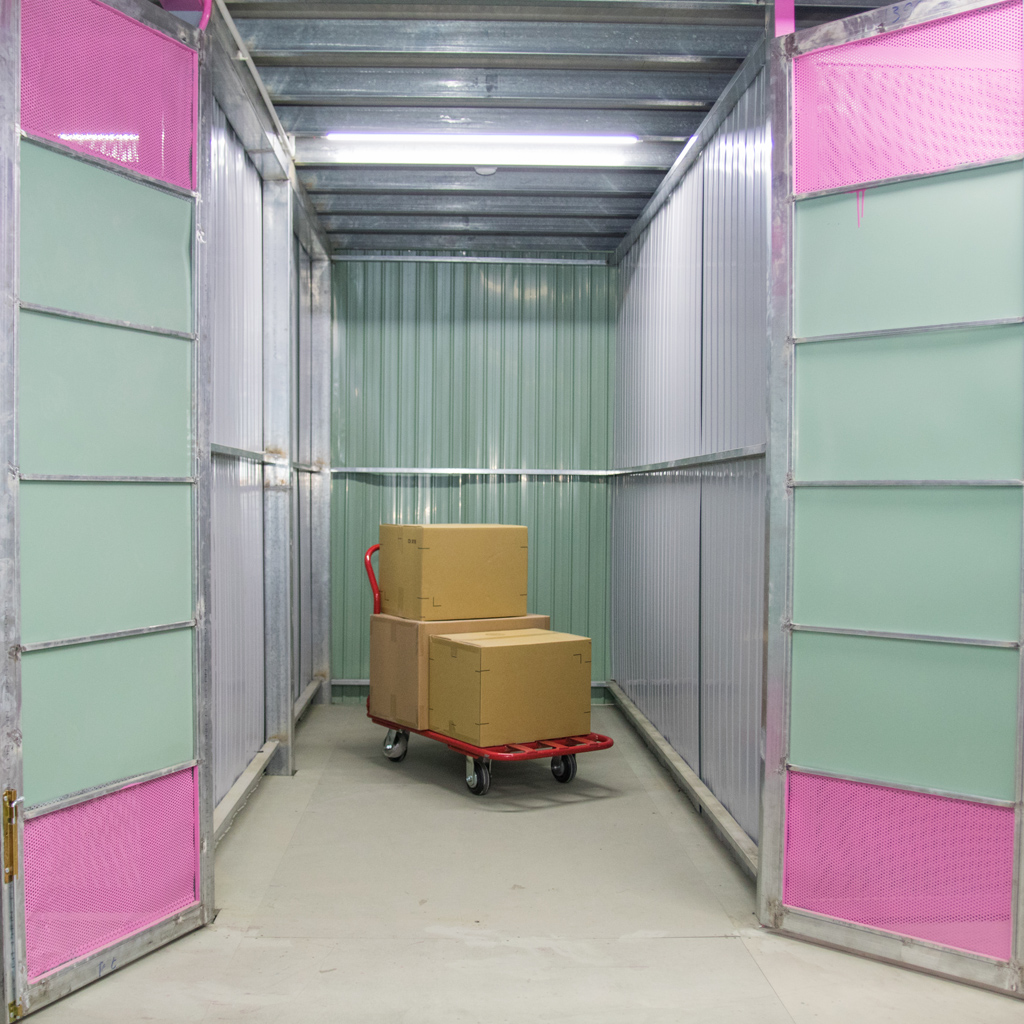
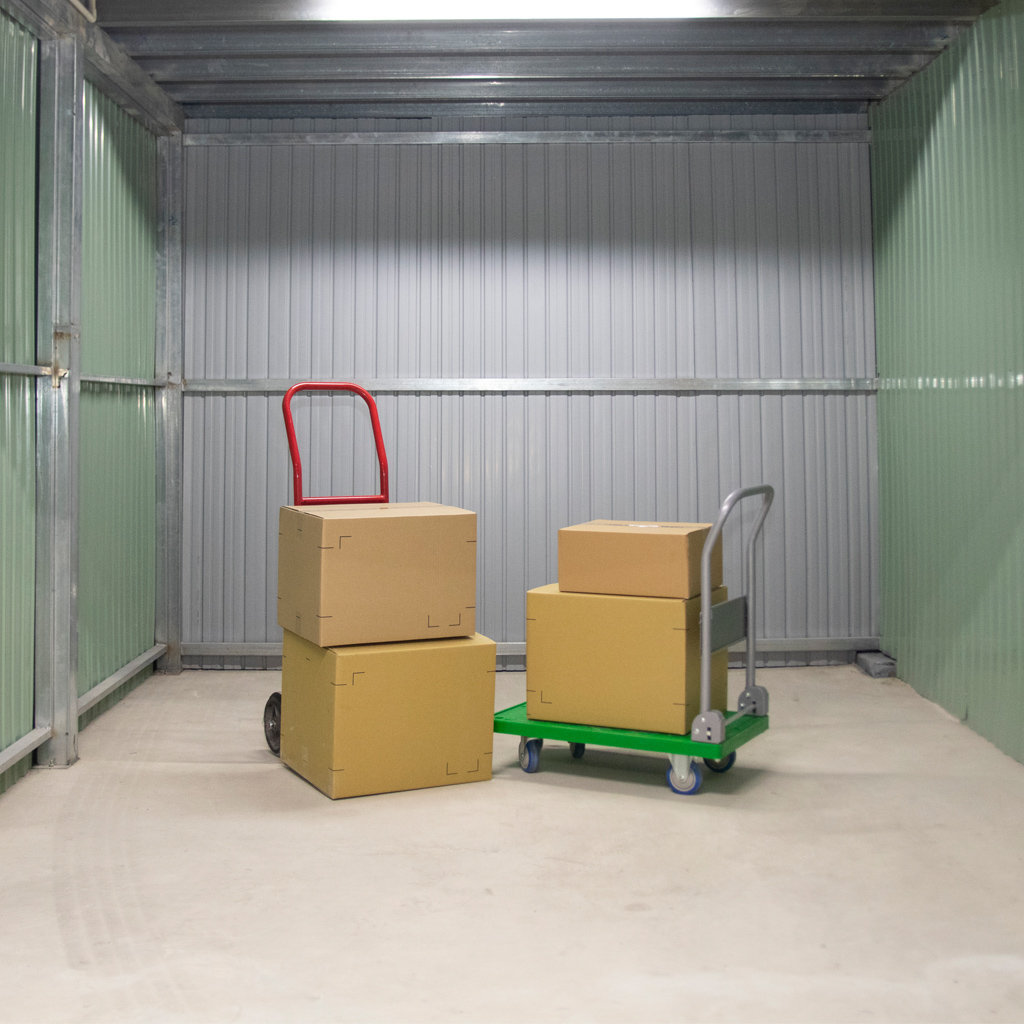
Short-term stock, anything you plan to drink or sell within 24 months, tolerates a wide range of conditions. V-Box climate units handle this comfortably at any size. Antoine’s restaurant group keeps roughly 200 bottles at Phuoc Long as working inventory, rotated weekly. His unit is 4.5 m², quoted VAT-inclusive.
Medium-term investment (three to ten years) is where V-Box performs well without being ideal. Mid-tier Bordeaux, everyday Piemonte, quality Rioja Reserva age gracefully at 20°C to 22°C for a decade. Top vintages from cult producers mature faster than they would in a purpose-built cellar, but faster doesn’t mean poorly.
Long-term cellars, fifteen years and up with resale expectations, are where V-Box hits its honest limit. Bordeaux First Growths, top Burgundy, Barolo Riserva from cult labels want 12°C to 14°C for provenance. V-Box acknowledges this rather than overselling. Browse the available unit sizes as a supplement rather than a replacement for a professional consultation.
Case study: Japanese beverage distributor audit at V-Box Cat Lai
Yuki, an executive at a Japanese beverage distributor operating in Vietnam, ran a formal audit of V-Box Cat Lai in 2025 before signing a three-month contract for wine and sake inventory. Japanese distributors don’t sign lightly. The protocol covered temperature logging frequency (every 15 minutes, verified), humidity ceiling stability, backup power, and staff response time to alarm conditions.
He also verified something most collectors never think to check. What happens if a compressor fails at 11 p.m. on a Sunday? V-Box’s protocol dictates that on-site security notifies the technical team within 30 minutes of any deviation above 26°C. A mobile technician arrives within two hours. Backup portable AC units are deployed within 12 hours. Full replacement, if needed, within 24 hours.
Yuki’s report cleared V-Box for beverage-grade inventory, and his firm extended the contract into an ongoing arrangement. V-Box now cites the audit as external verification when new corporate wine clients ask about climate reliability, alongside its membership in the Self Storage Association Asia.
“We audit facilities across Southeast Asia,” Yuki said. “V-Box came in cleaner than some Singapore sites we’ve inspected. Especially the backup protocol.”
Insurance, VAT, and declared value for wine collectors
Fire is the risk that keeps wine importers awake. Not theft. V-Box’s baseline insurance covers fire and site liability, which handles the facility catching alight but doesn’t independently insure the value of your bottles. That distinction matters once your inventory crosses 50 million VND.
For declared values above that threshold, V-Box recommends supplementary MSIG coverage. MSIG operates a Vietnamese subsidiary for commercial inventory policies, and a wine-specific rider covers heat damage, humidity failure, and fire loss at declared value rather than market value at the time of loss. That matters if you’re storing 2015 Bordeaux that has appreciated 40% since purchase.
VAT invoices are issued on every contract, both for storage rent and packing supplies bought on-site. F&B businesses deduct storage costs the way they’d deduct any commercial warehousing expense. The V-Box quote page publishes rates with VAT included, so what you see is what your accountant processes.
Offers vary from time to time and by rental type; contact our sales team for details. Consumer contracts stay month-to-month.
Access hours for restaurants that need weekly stock rotation
How does a sommelier plan Tuesday morning stock pulls when the wine cellar sits fifteen kilometers away? Access hours matter more than climate specs for this crowd.
Both facilities open from 6h to 22h daily, walk-in without appointment. That covers pre-service prep for restaurants opening at 11 a.m. or 5 p.m. It covers Sunday brunch runs. It covers the Friday delivery your importer sends before the weekend.
Antoine draws his working stock every Tuesday at 7 a.m. sharp. He arrives by scooter, keys into his unit at V-Box Phuoc Long, pulls a case of white Burgundy for the week’s service, and is back in District 1 by 8:15 in normal traffic. His restaurant group runs three venues, and this pattern repeats across two other sommeliers on Wednesday and Friday.
Chef Marco takes a different approach. He pulls monthly since his Chianti rotates slower. But when he brings guest chefs to Saigon for wine dinners, he needs after-hours access for a Saturday pickup. V-Box handles this case-by-case. Contact the V-Box reception team at least 24 hours ahead. Ground-floor units at Phuoc Long sit within twenty meters of the loading bay. Cat Lai has drive-up access for larger units, which matters if you’re moving 20-case pallets.
Frequently asked questions from wine collectors and F&B professionals
Is a climate-controlled unit secure enough for a five-figure wine collection?
Facility security matches or exceeds most private cellars. Both sites carry 24/7 patrol by Ngày & Đêm, 59 cameras across the two facilities, active fire suppression, and keypad units that no V-Box staff holds a master key for. Cat Lai retains 44 days of camera footage, Phuoc Long retains 19 days, and either facility exports clips within 15 days of a reported incident. For declared values above 50 million VND, add MSIG insurance because baseline coverage handles fire and site liability rather than high-value personal loss.
Can I lock in a climate-controlled unit for the full year at a fixed rate?
Yes, and it’s the one case where prepay makes sense. Offers vary from time to time and by rental type; contact our sales team for details. The quoted rate does not change month to month even for consumer contracts, so locking in is not strictly necessary from a pricing perspective. What the corporate contract does is guarantee unit availability at your preferred size, which matters during holiday inventory buildups.
Does V-Box offer wine authentication or provenance certification?
No, and it’s worth being clear about this. V-Box is a climate-controlled storage facility, not a wine trade specialist. Authentication, provenance certification, or grading services fall outside V-Box’s scope. Collectors who need those services typically work with wine merchants or auction houses in Singapore and Hong Kong before shipping to Saigon. What V-Box does is hold your bottles at verified climate specs and document every access log.
What happens if the air conditioning fails overnight?
On-site security detects any temperature above 26°C within 30 minutes and notifies the technical team. A mobile technician arrives within two hours. Backup portable AC units are deployed within 12 hours if the primary compressor needs full repair. Full replacement, if needed, is completed within 24 hours. During the deviation window, internal temperatures typically stay below 27°C in worst-case scenarios, which is well inside safe zones for short-duration exposure.
How do I coordinate access for a Saturday night pickup or after-hours emergency?
Standard access hours are 6h to 22h daily, walk-in. For pickups outside those windows, contact reception at least 24 hours ahead through our central hotline 0862262848, or on Zalo/WhatsApp 0862264669. Reception coordinates security clearance and on-site staff for the after-hours window. For recurring after-hours access, weekly Sunday pickups for example, a written amendment can be added to your contract. The full V-Box FAQ covers general policies, and reception handles case-specific coordination.
Setting up your V-Box wine cellar
Antoine now cycles roughly 200 bottles through his Phuoc Long unit every month. Yuki’s firm renewed for a full year after the audit cleared. Chef Marco’s Chianti sits at a steady 21°C. David, the British wine buyer who kept forty cases at Cat Lai when the first pilot batch of expats found V-Box, is still there. His Cabernet holds at 22°C.
If you’re moving imported wine into Saigon or downsizing a home cellar because Saigon apartments can’t do the job, setup takes about a week end to end. Contact reception via the V-Box contact form, specify climate-controlled and rough case volume, and book a walkthrough. Choose the size that fits your inventory plus 20% headroom. Peer notes from the InterNations HCMC community show most collectors size up once they see how fast working stock accumulates.
Contract signing takes twenty minutes, deposit equals one month of rent, and you can move bottles in the same day. Bring your own racking if you prefer, or buy standard shelving on-site at cost. Reception speaks English and can coordinate with international shippers if your case is arriving from Bordeaux, Napa, or Sydney. Call our central hotline: 0862262848. From overseas, you can also message us on Zalo or WhatsApp at 0862264669.
Saigon’s climate isn’t kind to wine. V-Box is the fix most collectors and F&B professionals in Ho Chi Minh City wish they’d found earlier.